Kogniz Contact Tracing: Complete Guide to Smarter Workplace Safety
Workplace safety has changed greatly in recent years. Businesses now want faster ways to understand risks and protect their teams. kogniz contact tracing is one technology designed around this need. It can help organizations understand close workplace interactions without depending only on human memory.
The basic idea is easy to understand. Workers can use wearable devices while a gateway supports contact-tracing functions. This creates useful interaction information for safety teams. Kogniz product materials also connect these tools with its wider AssureAI workplace safety platform.
This technology can be useful when a company needs quick information after a possible exposure event. It can also support social distancing programs. However, organizations should think carefully about privacy, access, and data policies before using any tracking system.
This guide explains the technology in simple words. We will explore its main features, benefits, possible limitations, privacy questions, and practical workplace uses.
Kogniz Contact Tracing Overview
| Detail | Information |
| Product | Kogniz Contact Tracing |
| Product Type | Workplace safety technology |
| Main Purpose | Contact tracing and distancing support |
| Core Hardware | Wearables and contact tracing gateway |
| Related Platform | Kogniz AssureAI |
| Main Users | Organizations and workplace safety teams |
| Key Function | Helps identify relevant workplace interactions |
| Reporting | Contact tracing information and reports |
| Employee Feedback | Can provide distancing feedback |
| Management Support | Can notify staff about distancing issues |
| Common Environment | Workplaces, campuses, and large facilities |
| Deployment Goal | Faster safety response |
| Related Technology | Workplace safety software and connected devices |
| Main Benefit | Reduces dependence on manual contact investigation |
| Important Consideration | Privacy and responsible data management |
Kogniz’s channel partner describes its solution as a combination of contact-tracing wearables and a gateway. The equipment can work with Kogniz AssureAI and other workplace technologies. Product information also highlights immediate employee feedback and contact-tracing reports.
What Is Kogniz Contact Tracing?
kogniz contact tracing is designed to help organizations understand close interactions within a workplace. It combines wearable technology with a contact tracing gateway. This approach can make an investigation quicker when safety teams need interaction records.
Traditional tracing often depends heavily on conversations. A worker may need to remember where they went and whom they met. That becomes difficult in a busy building. People naturally forget short meetings and everyday encounters.
A technology-based approach can provide additional information. Instead of rebuilding every interaction from memory, authorized teams may review system-generated contact information.
The important point is that this technology is a workplace safety tool. It should not be viewed as a medical diagnosis system. Technology can provide information, while trained people still need to decide how that information should be used.
That difference matters. Good safety technology supports human decisions instead of trying to replace responsible judgment.
How Kogniz Contact Tracing Works
The concept behind kogniz contact tracing starts with connected workplace devices. Available product material identifies wearable devices and a gateway as important parts of the solution. The system can support both contact tracing and social distancing activities.
Imagine two employees working in the same facility. Their work brings them near each other during the day. A tracing system can help create a record of relevant interactions. If an incident later needs investigation, safety staff have more information available.
This process can be much faster than asking dozens of people to rebuild an entire workday from memory.
The gateway plays an important role in the overall setup. It helps connect the contact-tracing environment with the wider technology system. Kogniz materials also describe integration with its AssureAI platform.
A successful setup still requires planning. Teams should understand their workplace layout, safety goals, device needs, and internal data rules before deployment.
Contact Tracing Wearables
Wearable devices are an important part of kogniz contact tracing. Employees can carry or wear these devices during their normal work activities. The goal is to support the recording of relevant close interactions.
Wearables make sense in workplaces because people move constantly. An employee may visit a warehouse, office, meeting area, or shared room during one shift. Fixed records alone may not show these person-to-person interactions clearly.
Kogniz’s published channel information describes the wearables and gateway as supporting contact tracing and social distancing. It also describes immediate employee feedback when distancing rules are not followed.
This can turn a wearable into more than a passive device. It may become part of an active workplace safety process.
Still, employers should explain why wearables are being used. Workers should understand the purpose, relevant policies, and who can access collected information. Clear communication can build greater trust around workplace technology.
Understanding the Contact Tracing Gateway
The gateway is another core element of the kogniz contact tracing solution. Think of a gateway as part of the bridge between wearable devices and the larger safety platform.
A workplace may have many employees carrying devices. Managing information from those devices requires supporting infrastructure. The gateway helps make the overall system practical for an organization.
According to Kogniz channel material, its gateway and wearables can work with AssureAI and other technologies already used by an organization.
Integration is important because companies rarely use only one safety system. They may already have workplace software, cameras, access systems, and incident management tools.
A connected approach can reduce separate manual processes. However, every organization has a different technology environment. Buyers should confirm current compatibility before assuming that an existing system will integrate automatically.
Testing the setup before a large rollout can also help uncover technical problems early.
Social Distancing Support
Social distancing was one of the major reasons contact-tracing technology gained attention. kogniz contact tracing includes features designed to support distancing efforts inside workplaces.
Kogniz channel materials state that its wearable solution can provide immediate feedback when social distancing is not followed. They also describe remote personnel notifications relating to non-compliance.
This type of feedback can be useful in busy environments. Workers may become focused on a task and forget how close they are standing. A timely signal can remind them about a workplace rule without requiring constant manual supervision.
However, distancing needs differ between workplaces. A quiet office is very different from a warehouse or manufacturing floor. Some jobs naturally require people to work closely together.
For this reason, organizations need sensible policies. Technology works best when its rules match real working conditions rather than creating unnecessary alerts.
Faster Workplace Safety Investigations
Speed is one potential benefit of kogniz contact tracing. Manual investigation can take considerable time, especially in a large organization.
Imagine a facility with hundreds of employees. A safety manager needs to investigate an exposure-related event from two days earlier. Asking one person who they met may not provide a complete picture.
People forget ordinary interactions. A short conversation near a doorway may disappear from memory. A shared workspace can involve many people during one shift.
Contact-tracing records can provide another source of information for an investigation. Kogniz product materials specifically promote instant and accurate contact-tracing reports as a feature of its wearable solution.
Faster information can help teams decide what needs attention. Yet organizations should still verify important findings and follow appropriate workplace procedures.
Technology can improve the investigation process, but responsible human review remains important.
Kogniz AssureAI Integration
kogniz contact tracing is connected with a wider workplace safety ecosystem. Kogniz’s channel partner describes the wearables and gateway as working with the Kogniz AssureAI platform.
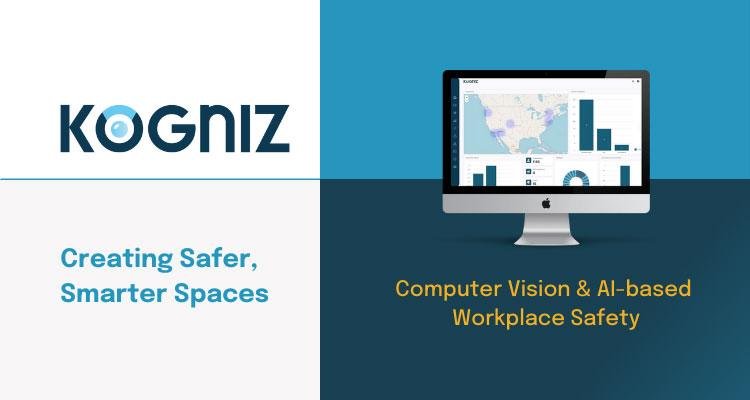
AssureAI is presented as a workplace safety platform that combines incident management with computer vision and AI-based insights. Its broader features extend beyond tracing. They include areas such as occupational safety and incident management.
This wider approach matters for organizations that want one safety environment rather than many disconnected tools.
Contact information may be only one piece of an incident. A company may also need occupancy information, safety alerts, or other operational details.
Integration can make those pieces easier to manage. However, organizations should identify what they truly need before adding technology. More features do not automatically mean better safety.
A smaller setup with clear goals can sometimes provide more value than a complex system nobody fully understands.
Privacy and Employee Trust
Privacy should be a major consideration with kogniz contact tracing or any workplace tracking technology. Interaction data can be sensitive. Workers naturally want to know what information is collected and why.
Organizations should start with a clear purpose. If information is collected for workplace safety, employees should receive a simple explanation of that purpose. Companies should also define who can view records and how long information is kept.
Access should be limited to people who genuinely need it. Strong account security and clear internal rules can reduce unnecessary exposure of workplace information.
Another useful principle is data minimization. A business should consider collecting only information needed for its defined safety goal.
Local privacy, employment, and data rules can differ greatly. Therefore, organizations should review applicable requirements before deployment.
Trust is not created by technology alone. It comes from transparency, responsible management, good security practices, and clear communication with the people affected by the system.
Benefits for Large Workplaces
Large facilities may find kogniz contact tracing especially interesting because manual tracing becomes harder as the number of people grows.
Think about a warehouse with several shifts. Workers may change stations, visit break areas, and work beside different people. Remembering every close interaction can become unrealistic.
Wearable technology can support a more structured record of workplace interactions. This can save investigation time when teams need relevant information quickly.
Large workplaces may also benefit from consistent processes. Instead of different managers using different tracing methods, an organization can create one defined workflow.
Still, size alone does not prove that a tracing system is needed. Businesses should examine their actual risks, employee needs, workplace design, and existing safety tools.
A useful technology purchase should solve a clear problem. Companies should avoid adding tracking systems simply because the technology exists.
Good planning helps ensure that the system supports employees instead of adding unnecessary complexity.
Contact Tracing Versus Manual Investigation
Manual investigation and kogniz contact tracing take different approaches to the same basic challenge.
Manual tracing usually starts with people. A manager asks questions, checks schedules, and tries to identify relevant interactions. This method can work well in small environments. It is simple and may require little additional technology.
Its weakness is human memory. Employees cannot always remember every person they passed or spoke with during a busy day.
Technology-supported tracing can add recorded interaction information. This may help teams identify contacts that otherwise could be forgotten.
However, digital information also requires careful interpretation. A recorded interaction does not automatically explain everything about the situation.
For that reason, a combined approach can be practical. Digital records provide useful clues, while people add context and judgment.
The goal should not be collecting the most data. The goal should be obtaining useful information that supports a fair and effective safety process.
Workplace Safety Beyond Contact Tracing
One interesting aspect of kogniz contact tracing is its relationship with broader workplace safety technology.
Kogniz’s wider AssureAI offering focuses on more than contact tracing. Available product descriptions mention occupational safety, PPE detection, occupancy monitoring, incident management, and other safety applications.
This shows how workplace technology has expanded. Businesses increasingly use connected systems to understand events and respond faster.
For example, one company may care most about personal protective equipment. Another may need occupancy monitoring. A third may focus on incident response.
Contact tracing therefore should be considered as one possible part of a larger safety plan.
Technology alone cannot create a safe workplace. Training, sensible policies, employee communication, equipment, and strong management practices still matter.
The strongest approach combines useful technology with people who understand the workplace and its real risks.
Challenges Organizations Should Consider
No workplace system is perfect, including kogniz contact tracing. Organizations should understand possible challenges before deciding whether it fits their needs.
The first challenge is adoption. Wearables only provide value when the workplace process around them works properly. Staff need clear instructions and support.
Another challenge involves privacy. Workers may worry about being monitored. Clear policies can help explain what information is used and what is outside the system’s purpose.
Cost is another factor. Hardware, setup, management, integration, and training can all affect the total investment.
Technical compatibility also matters. A company should verify whether the current product works with its existing technology environment.
Finally, information needs context. A digital record should not automatically become a final conclusion about an employee or an incident.
These challenges do not make the technology bad. They simply show why thoughtful planning is important before any workplace monitoring solution is introduced.
How to Evaluate Kogniz Contact Tracing
Before choosing kogniz contact tracing, an organization should begin with its own problem rather than the product.
Ask what the workplace needs to improve. Is manual contact investigation too slow? Is the organization managing a large moving workforce? Does it need better distancing support? Clear questions make product evaluation easier.
Next, examine deployment requirements. Learn how many wearables and gateways may be required. Ask about current integrations, reporting options, system administration, security, maintenance, and support.
Privacy questions should also come early. Determine what information is collected, where it goes, how access works, and how retention can be managed.
Organizations should request current product documentation because technology can change over time.
A pilot program can also be valuable. Testing the solution with a smaller group can reveal usability or workflow problems before a full deployment.
A careful evaluation focuses on real outcomes rather than impressive feature lists.
Is Kogniz Contact Tracing Still Relevant?
kogniz contact tracing remains useful to understand as part of the larger story of connected workplace safety.
Contact tracing became highly visible during the COVID-19 period. Kogniz announced a broader Health Response Platform in 2020 that included contact exposure detection, distancing tools, temperature monitoring, and mask detection.
Since then, workplace technology has increasingly expanded toward broader safety and incident management uses. Kogniz’s current channel materials place contact tracing alongside occupational safety, PPE detection, occupancy management, and AssureAI.
This broader context is important. A business researching the product today should not rely only on old pandemic-era information.
Instead, buyers should check current capabilities, support, hardware availability, integration options, and intended use directly with the provider or authorized channel.
That approach gives decision-makers a clearer picture of whether the technology matches present workplace needs.
Conclusion
kogniz contact tracing offers a technology-based way to support workplace interaction tracing and social distancing processes. Its core concept combines wearable devices with gateway technology and a wider workplace safety platform.
The biggest attraction is speed. Digital interaction information can reduce dependence on memory during an investigation. Wearable feedback can also support distancing rules in suitable environments.
Yet technology should never be considered in isolation. Privacy, employee communication, security, training, costs, and workplace policies all deserve careful attention.
Organizations considering this solution should define their goals first. They should then review current product documentation and test whether the system fits their actual working environment.
A good safety tool should make important information easier to understand and act upon. When deployed responsibly, connected workplace technology can support faster and more organized safety processes without replacing thoughtful human judgment.
FAQs
1. What is Kogniz contact tracing?
kogniz contact tracing is a workplace safety solution built around contact-tracing wearables and gateway technology. It is designed to help organizations identify relevant close interactions and support social distancing processes. Available Kogniz channel material states that the wearables and gateway can work with the AssureAI platform and other technologies. Organizations can use resulting information as part of workplace safety investigations and response processes.
2. Does Kogniz use wearable devices?
Yes. Published product information specifically describes contact-tracing wearables and a gateway. The wearables support contact tracing and social distancing functions. Product materials also mention immediate employee feedback when distancing requirements are not followed. The exact setup needed can depend on the workplace, number of workers, facility design, and current product configuration.
3. What is the Kogniz Contact Tracing Gateway?
The gateway is part of the supporting infrastructure for the wearable contact-tracing solution. It helps connect the tracing environment with the broader technology platform. Kogniz’s channel partner says its gateway and wearables work with Kogniz AssureAI and other existing technologies. Companies considering deployment should verify current technical requirements and compatibility for their specific environment.
4. Can Kogniz help with social distancing?
Yes. Social distancing support is listed as a function of the wearable and gateway solution. Available product information says employees can receive immediate feedback when distancing is not followed. Remote personnel notifications are also described. How useful these functions are will depend on workplace rules, job requirements, building layout, and how the organization configures its safety process.
5. Is workplace contact tracing completely automatic?
Technology can automate parts of data collection and reporting, but organizations still need human oversight. Safety staff need to understand the information, consider its context, and follow company procedures. Employees also need instructions about using wearable equipment. A strong system combines useful technology with clear policies, responsible data handling, and trained people who can make sensible decisions.
6. What should a business check before using Kogniz?
A business should review its goals, workplace size, deployment needs, privacy requirements, security practices, integrations, costs, reporting needs, and employee communication plan. It should also request current specifications because product features may change. A small pilot can help determine whether the technology fits daily workflows before a wider rollout. The best decision is based on present operational needs rather than older product descriptions.